
Table of Contents:
Making It Possible: Land, Logistics, and Persistence
Reimagining a Historic Landmark
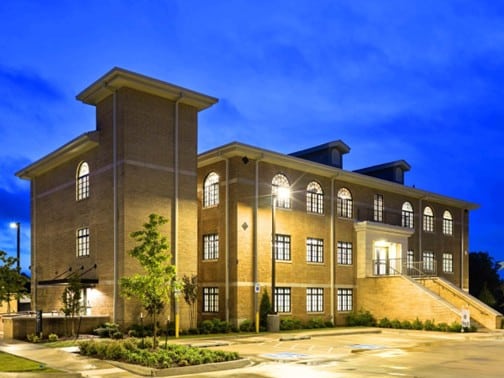
Long before it became the center of a new vision, the Moton Hospital was deeply personal to the Greenwood community.
It was not just a place of care, it was a place of beginnings. Families came through its doors during some of the most important moments of their lives. In a time when access to healthcare was not equitable, Moton Hospital filled a critical gap, serving generations who depended on it.
Even after it closed, the building never lost its meaning.
“There are many people that live in the community today that were actually born in that facility,” said Rich Brierre of INCOG, reflecting on its enduring presence in North Tulsa.
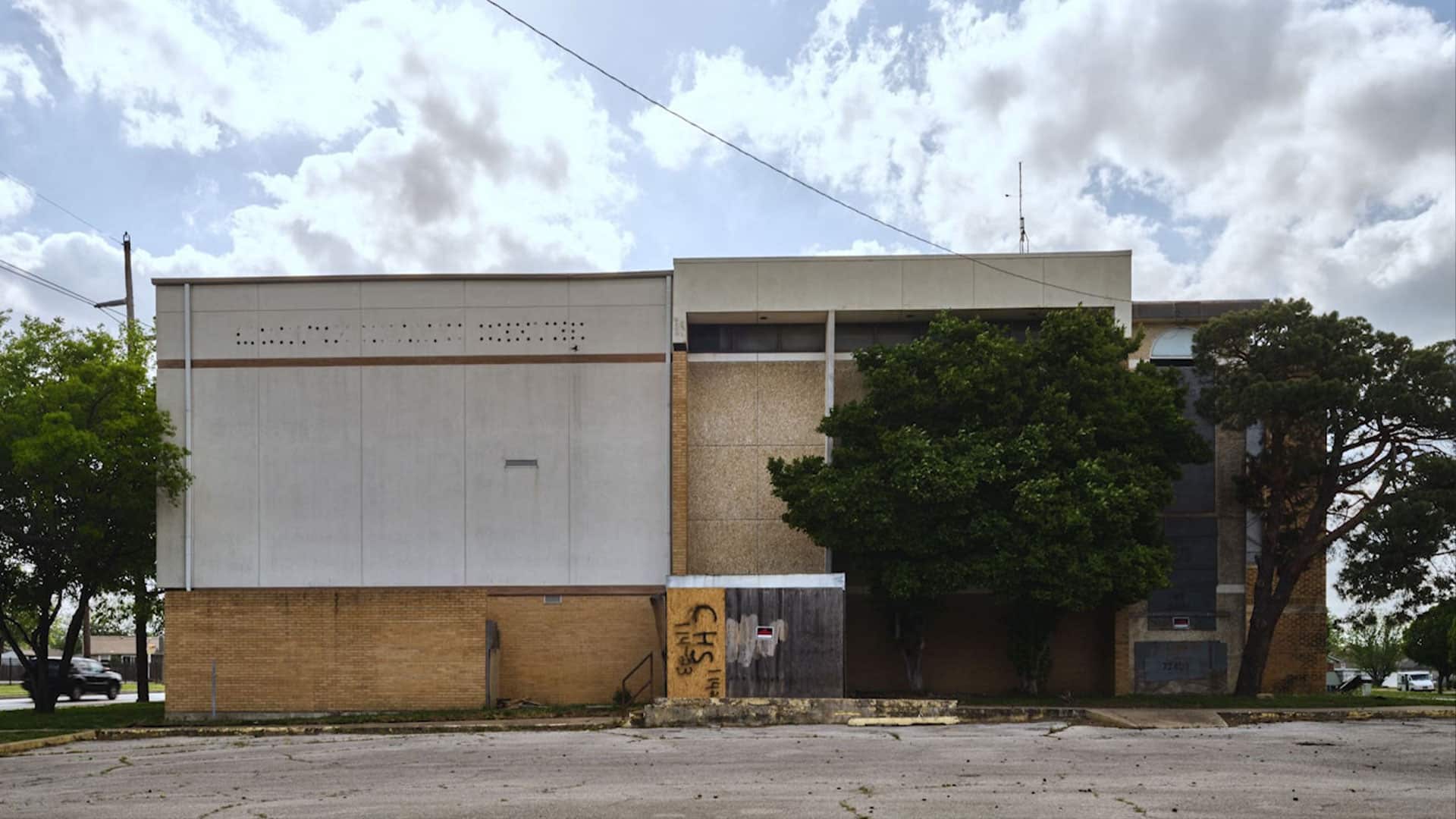
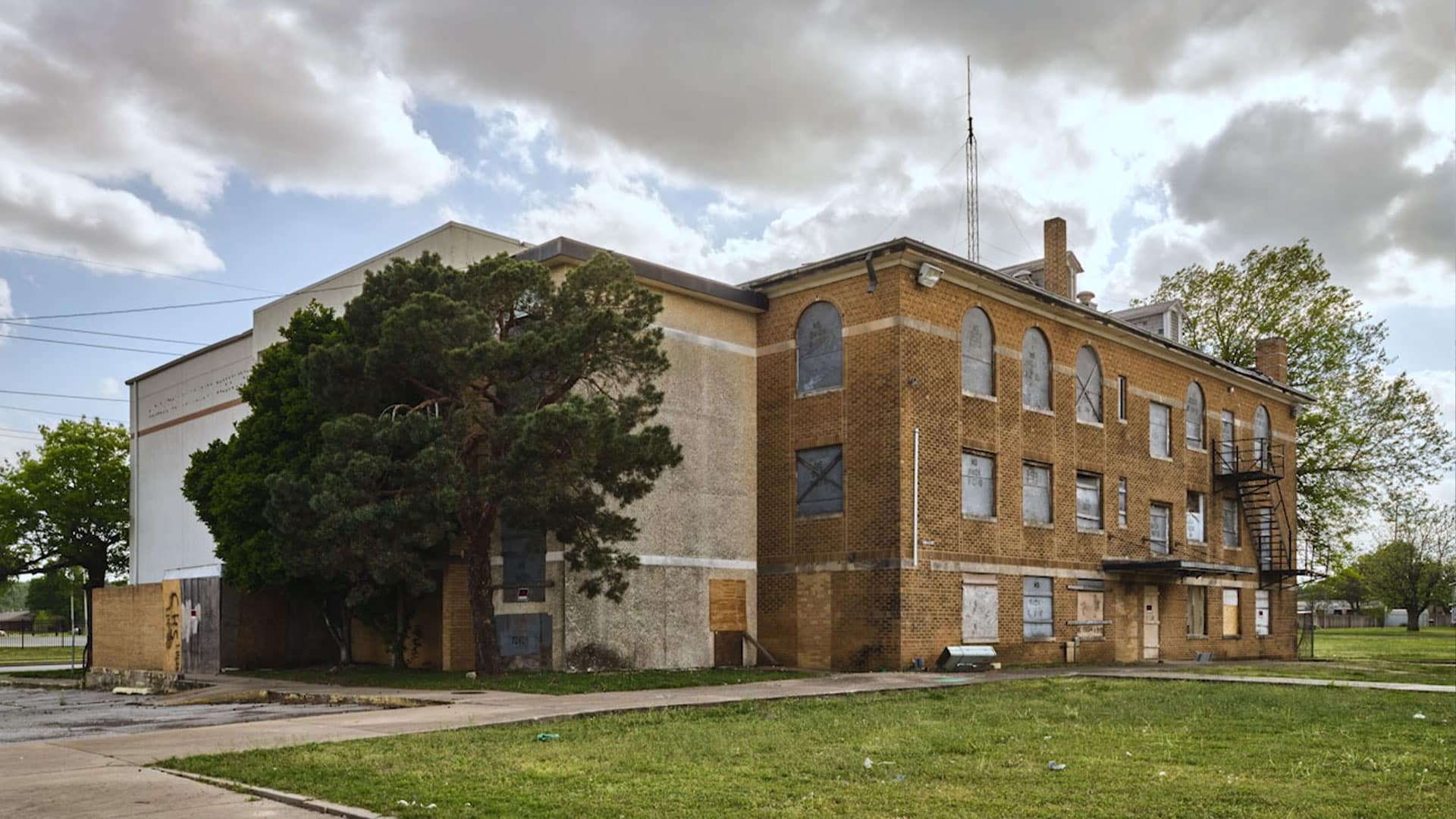
But time had taken its toll. For nearly two decades, the structure sat vacant, its windows boarded, its basement filled with water, its future uncertain.
Still, the building remained. And for some, the question of what it could become never went away.
“For more than a decade, TEDC has been searching for ways to help redevelop the historic Moton building,” said Rose Washington-Jones, President and CEO of TEDC Creative Capital.
That search began long before funding was secured or plans were finalized. TEDC Creative Capital was involved early in conversations around how the site could be reimagined, recognizing both its potential and the reality that the vision would require far more coordination and capital than initially anticipated.
As the scope of the opportunity became clearer, so did the need to refine the vision, expanding it beyond a single project into something that could deliver lasting impact for the community.
When the property became available, TEDC Creative Capital moved quickly to help advance that vision, working with PartnerTulsa to begin the process of acquiring the Moton Hospital site and positioning it for redevelopment.
What followed was not just the restoration of a building, but the beginning of a coordinated effort to bring new purpose to a place that had always mattered.
A Vision Rooted in Community
The answer did not begin with architecture or construction plans. It began with intention.
In the aftermath of COVID-19, as communities across the country wrestled with recovery, Tulsa found itself at a pivotal moment. Federal funding created an opportunity to invest in the future, but how that investment would be directed mattered.
For Tulsa City Councilwoman Vanessa Hall-Harper, the path forward needed to be deliberate and community-centered.
“If we’re doing that, then I want a Greenwood entrepreneurship program,” she said, pushing for resources that would directly benefit the community she represents.
Her advocacy shaped the early direction of what would become GEM. The goal was not simply to stimulate economic activity, but to do so in a way that honored Greenwood’s history and created meaningful access to opportunity.
“This is our attempt… to revive that spirit and legacy of Greenwood,” Hall-Harper said.
That spirit, rooted in the legacy of Black Wall Street, became the foundation of the project. The idea was not just to build something new, but to reconnect past and future through entrepreneurship.
The Moton Hospital site quickly emerged as the natural home for that vision. Its history, its location, and its emotional significance made it more than a redevelopment opportunity; it made it a continuation of a story already in progress.
What began as a concept became something more defined: a place where entrepreneurs could access resources, build businesses, and contribute to a stronger economic future for Tulsa.
Investing in the Vision
A vision of that scale required more than alignment; it required coordinated investment and trust.
Tulsa County Commissioner Stan Sallee found himself at the center of that responsibility during the rollout of ARPA funding. The urgency was real. Communities needed support, and the timeline for distributing federal funds demanded both speed and accountability.
Sallee emphasized the importance of balancing those two priorities, noting that getting funds into the community quickly only mattered if it was done responsibly.
From his perspective, partnerships were essential to making that happen.
“We had to move quickly, but we also had to do it right,” Sallee noted in a discussion of the funding approach. “That meant working with organizations that already had the ability to reach businesses and deliver results.”
That thinking led directly to TEDC Creative Capital’s involvement.
With its experience in supporting entrepreneurs and managing capital deployment, TEDC became a key conduit, translating public funding into real opportunities for small businesses and, ultimately, for this project.
Sallee viewed the investment in GEM not as a standalone effort, but as part of a broader philosophy.
“This isn’t just about one project. It’s about creating opportunity in Tulsa and making sure entrepreneurs have the tools to succeed,” he emphasized.
At the same time, INCOG worked with TEDC to secure additional federal support through the Economic Development Administration, ensuring the project had both the funding and oversight needed to move forward.
For those involved, this phase was about more than dollars; it was about building a support structure that could sustain the vision long after the initial investment.
Making It Possible: Land, Logistics, and Persistence
While funding made the project possible, it did not make it simple.
Before construction could begin, the site itself had to be prepared, a process that proved far more complex than anticipated.
PartnerTulsa, an extension of the City of Tulsa, owned the property and played a critical role in moving the project forward. In addition to working to identify and support the right development path for the site, the organization also helped address some of the earliest barriers to redevelopment.
Nia James of PartnerTulsa oversaw the land disposition and development logistics, helping transition the property from vacancy toward viability. What began as a straightforward effort quickly expanded into something much larger.
“It snowballed into a much bigger task than I expected,” James said.
Among the earliest challenges was environmental remediation. Through the City’s Brownfields Revolving Loan Fund (BRLF), PartnerTulsa provided a $40,000 grant to support the safe removal of asbestos from the building, an essential step in making the site safe and ready for redevelopment.
At the same time, property boundaries had to be redefined, site conditions evaluated, and demolition and remediation efforts carefully coordinated across agencies and stakeholders.
Each step forward required persistence.
At times, progress depended on resolving issues that had nothing to do with the future vision, but everything to do with the realities of the past, decades-old conditions, regulatory requirements, and site limitations that had to be addressed before anything new could take shape.
Yet this work, though largely unseen, was essential.
Without it, the project could not move from concept to execution.
Protecting the Vision
As the project transitioned from planning into development, maintaining alignment between vision and execution became increasingly important.
Greg Shaw, serving as the owner’s representative for TEDC Creative Capital, played a critical role in that process. His responsibility was not to design or build, but to ensure that every decision continued to serve the project’s original intent.
“You need somebody who works in the middle… where the owner is represented independently,” Shaw explained.
That role required both technical expertise and perspective. Shaw navigated conversations between architects, contractors, and stakeholders, helping to balance competing priorities while protecting long-term outcomes.
At the same time, his connection to the project was not purely professional.
“We’ve brought that history back,” he said. “People say, ‘My grandmother was born in this building.’”
That awareness shaped the way decisions were made. The building was not just being repaired; it was being restored with intention.
Reimagining a Historic Landmark
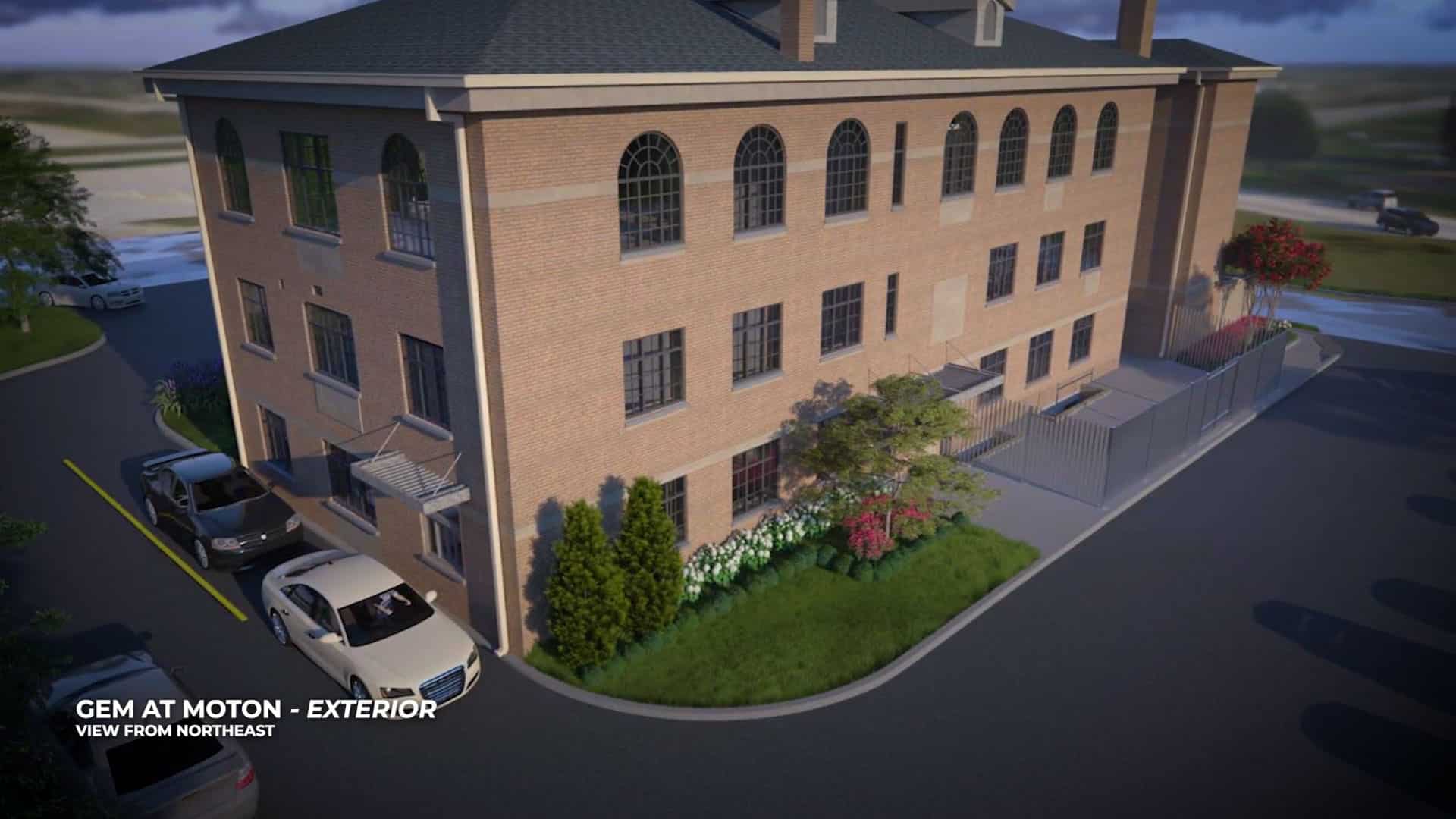
The architectural transformation of Moton Hospital required both creativity and restraint.
Ethos Architects, formerly known as KKT, approached the project with a clear understanding of what was at stake. The goal was not simply to modernize the building, but to preserve its identity while preparing it for a new purpose.
“It was kind of a giant game of Tetris… how can we fit that there and still meet this code?” said Angela Sexton, who led the design effort.
Over time, the building had been altered in ways that obscured its original form. Additions from later decades had to be carefully removed. Structural elements had to be evaluated and, in many cases, rebuilt.
The process required patience.
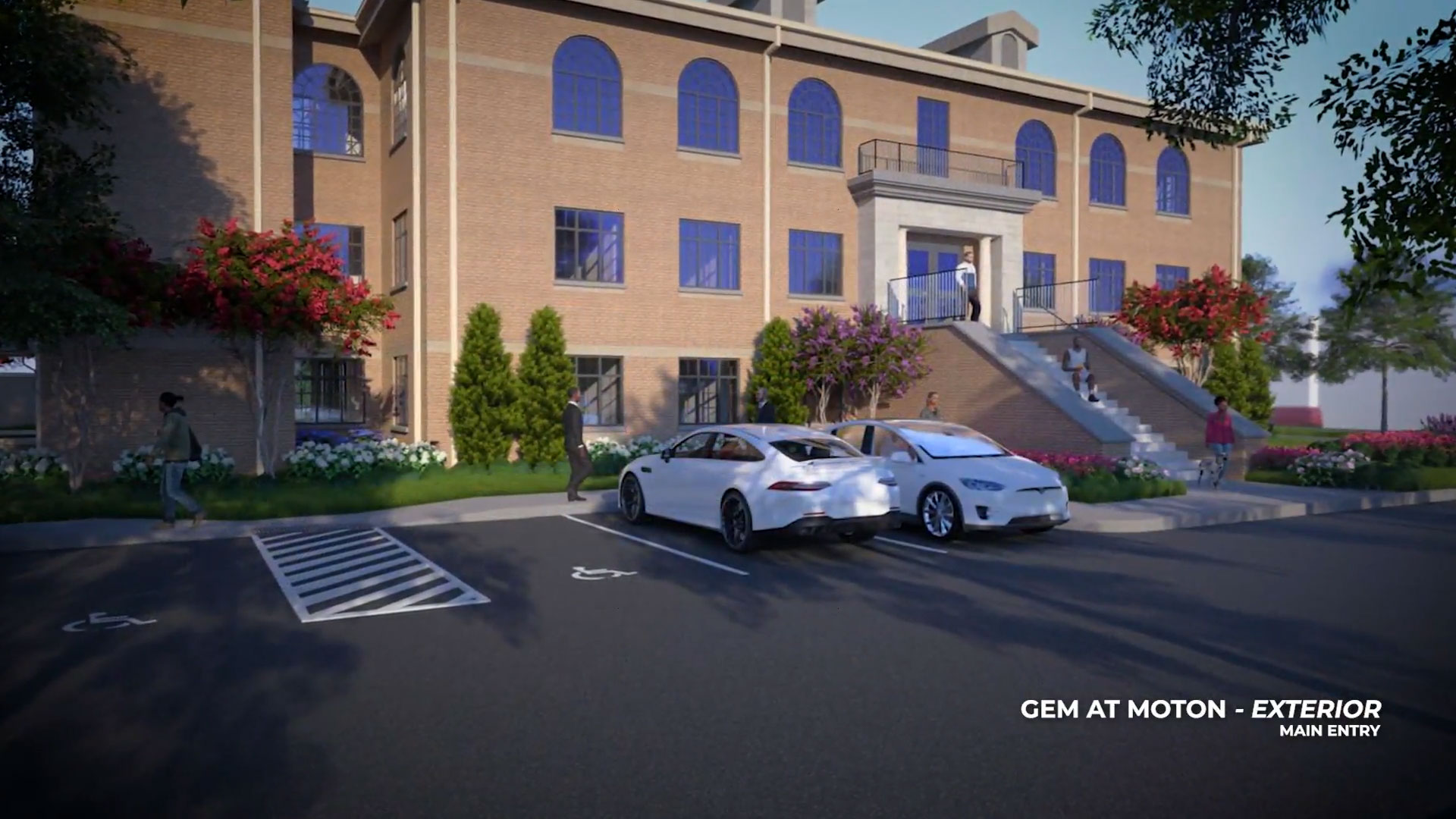
“It’s really rewarding to bring that 100-year-old building back into existence… given a new life,” Sexton said.
What emerged was not just a renovated structure, but a reimagined space, one that respects its past while supporting its future.
Building Through Uncertainty
Even with detailed plans, construction brought its own challenges.
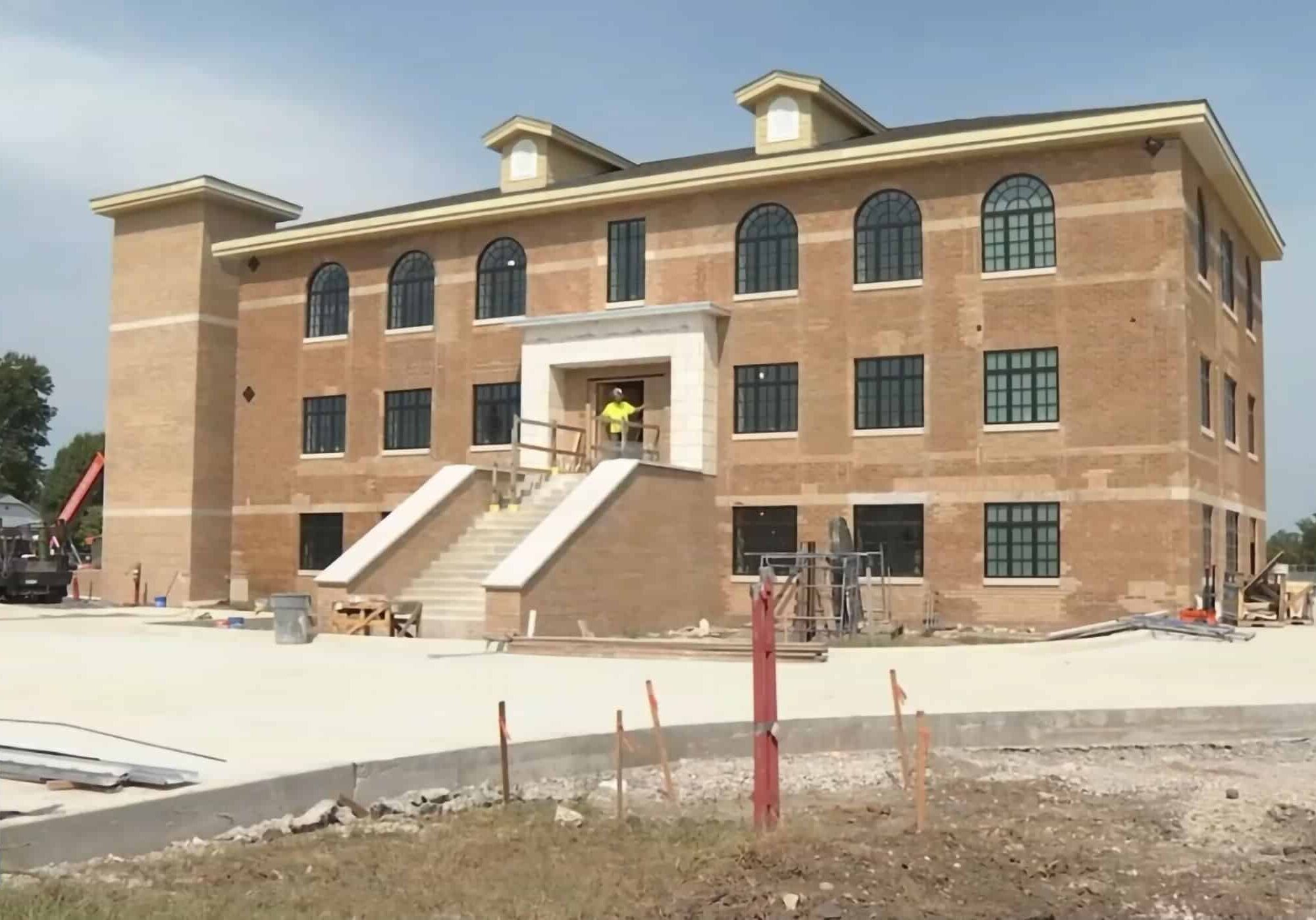
Jeff Claxton and the team at Nabholz Construction stepped into a project defined by uncertainty. Working within a structure that had been vacant for years meant encountering conditions that could not be fully predicted.
“There were a lot of leaps of faith,” Claxton said.
Each phase of construction revealed new variables, hidden structural elements, environmental issues, and the realities of working within an aging building.
“You don’t know what that is until you kind of find it,” he added.
Despite those challenges, the work moved forward. It required adaptability, trust, and a shared belief that the end result would justify the effort.
A Space Reborn for the Next Generation
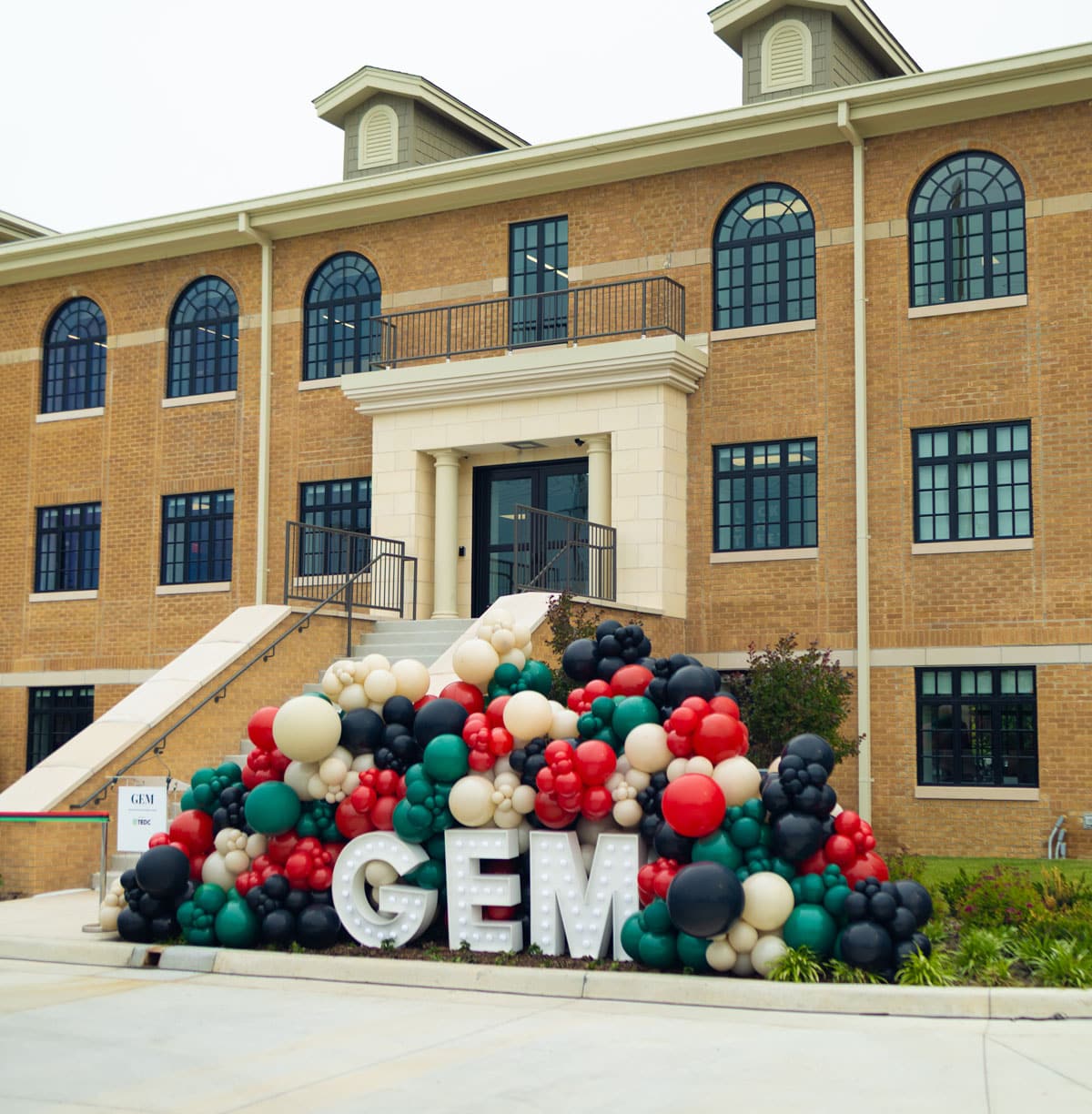
Today, the Moton Hospital stands transformed.
What was once an abandoned structure is now GEM, Greenwood Entrepreneurship at Moton, a space designed to support the next generation of business leaders.
Its purpose is both practical and symbolic. Within its walls, entrepreneurs will find not only workspace but access to training, mentorship, and resources that can help them grow sustainable businesses.
The focus is intentional. GEM is designed to support entrepreneurs and small business owners, continuing the legacy of Greenwood as a center of economic opportunity.
The building, once a place of care, now becomes a place of creation.
From Legacy to Future
The transformation of Moton Hospital into GEM is not a single story; it is the result of many.
It reflects the advocacy of leaders who pushed for intentional investment, the coordination required to bring funding into alignment, and the persistence of those who worked through challenges that most will never know. It reflects, too, the steady leadership that helped guide the project forward from early vision to completion.
“I am grateful for the persistence of those who worked through challenges that few will ever see, and the expertise of those who brought this long-abandoned structure back to life,” said Washington-Jones.
But what stands today is more than the sum of those efforts.
For North Tulsa, GEM represents something deeply meaningful: a return to possibility.
In a place where history carries both pride and pain, this building now offers something forward-looking, a space where ideas can take shape, where businesses can grow, and where opportunity is no longer something to seek elsewhere, but something being built from within.
It is a continuation of Greenwood’s legacy, not by recreating the past, but by investing in what comes next.
“TEDC has a long, successful history of supporting the start-up and growth of small businesses,” Washington-Jones said. “Reimagining and redeveloping the historic Moton Hospital into a gem for the community is the honor of a lifetime. I am grateful that Tulsa entrusted TEDC with such a meaningful and sacred effort. We stand on the shoulders of greatness as we honor our forefathers and foremothers who sacrificed life on the very grounds that became home to Moton Hospital and now Greenwood Entrepreneurship at Moton.”
And as entrepreneurs of all ages walk through its doors, bringing new ideas, energy, and ambition with them, the building once again becomes what it has always been at its core: a place that serves its community.
Only now, it does so by helping shape its future.